What’s HOT Seoul · Travel Tips
Perfect 3-Day Seoul Itinerary 2026: K-pop, DMZ & Hanbok Guide
April 05, 2026

Three days in Seoul might sound rushed, but it’s the perfect amount of time to get a real taste of what makes Korea’s capital so magnetic. This isn’t about racing through tourist traps. It’s about experiencing the cultural trifecta that defines modern Seoul: the hallyu (한류, Korean wave) phenomenon, the sobering reality of Korea’s divided history, and the timeless elegance of traditional Korean culture.
Key Points
Day 1 focuses on K-pop culture in Seongsu-dong and traditional neighborhoods
Day 2 includes DMZ tour and evening hanbok experience at palaces
Day 3 explores modern Seoul with shopping and nightlife in Gangnam
Useful Expressions
The beauty of Seoul lies in these contrasts. One moment you’re standing at the heavily militarized border that separates two Koreas, the next you’re trying on a hanbok (한복, traditional Korean clothing) in a centuries-old palace. Then you’re discovering why NewJeans filmed their latest music video in a converted warehouse in Seongsu-dong (성수동).
Day 1: K-Culture and Traditional Foundations
Start your Seoul adventure where the city’s creative energy is most palpable. Seongsu-dong has exploded as Seoul’s hottest neighborhood in 2026, and for good reason. This former industrial area now houses flagship stores, art galleries, and the kind of trendy cafes where you might spot tomorrow’s K-pop stars practicing their choreography.
Begin at Seoul Forest (서울숲) around 9 AM. The morning light here is perfect for those Instagram shots that’ll make your friends back home book their own Korea trip. But more importantly, you’ll understand why this green space has become central to Seoul’s cultural renaissance. When asking for directions, try: 서울숲이 어디예요? (seouk-sup-i eodiyeyo — Where is Seoul Forest?) and locals will point you toward the perfect starting point.
From there, spend your morning exploring the converted warehouses and studios that have made Seongsu-dong the unofficial capital of Korea’s creative industries. The transformation here is remarkable. During my grad school days in Northern California, I missed Korean innovation constantly – now Seoul leads global trends in everything from beauty to technology.
Afternoon Traditional Seoul
By afternoon, head to Bukchon Hanok Village (북촌한옥마을). This isn’t just about pretty traditional houses – it’s where Seoul’s past and present collide most elegantly. The contrast between morning in ultra-modern Seongsu-dong and afternoon among 600-year-old homes is exactly what makes Seoul endlessly fascinating.
Here’s where your first hanbok experience begins. Rental shops throughout Bukchon offer everything from simple traditional designs to elaborate royal court styles. The key phrase to remember: 한복 대여 얼마예요? (hanbok daeyo eolmayeyo — How much is hanbok rental?) Most places charge between 15,000-25,000 won for a basic package.
Pro tip: Choose your hanbok based on your afternoon plans. If you’re planning serious palace exploration, opt for comfortable shoes and a simpler design. The elaborate court styles look stunning in photos but can be challenging for extended walking.
Palace Culture Deep Dive
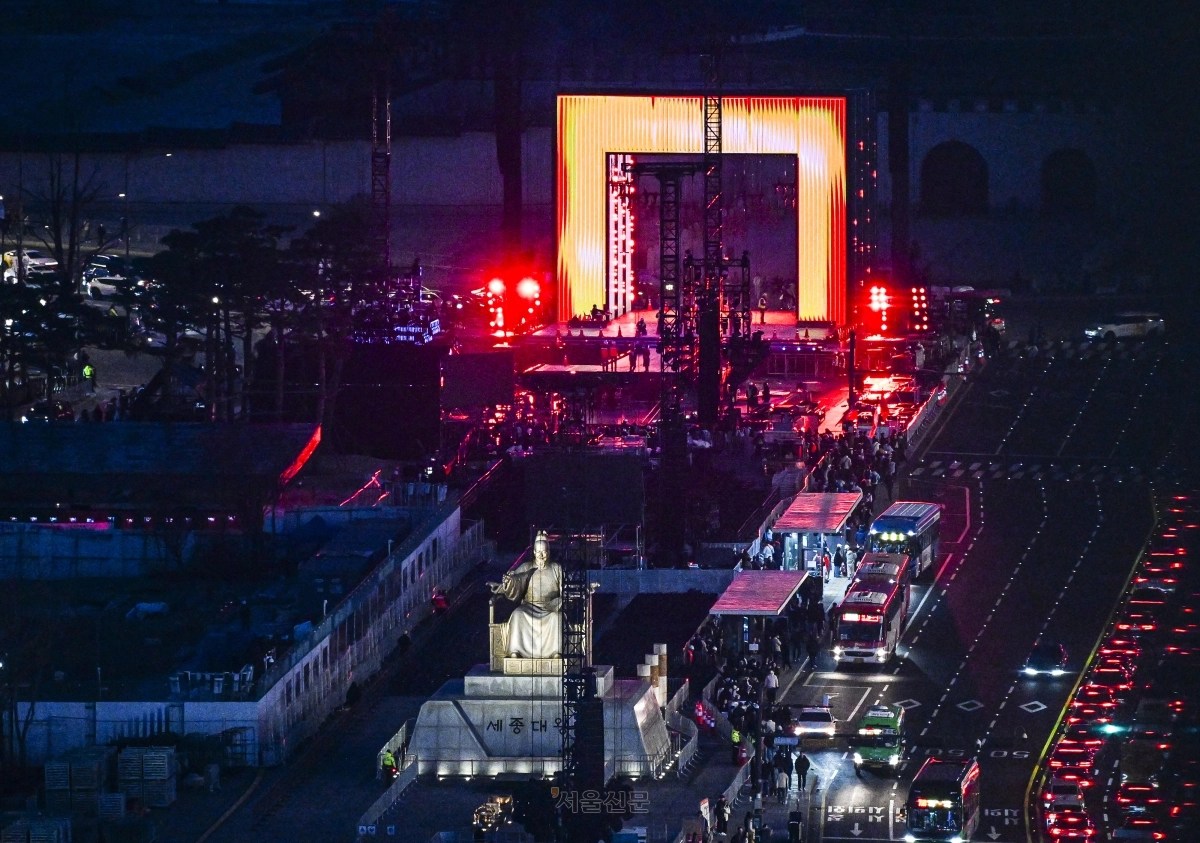
End Day 1 at Gyeongbokgung (경복궁). The changing of the guard ceremony happens at 10 AM, 2 PM, and 4 PM – aim for the 2 PM show after your hanbok fitting. Watching this ceremony while wearing traditional Korean dress creates a connection to Korean culture that goes beyond typical tourist experiences.
The palace grounds offer numerous photo opportunities, but remember basic hanbok etiquette: 사진 찍어도 돼요? (sajin jjigeodo dwaeyo — May I take a photo?) when approaching other visitors or palace staff. Korean culture values politeness, especially in traditional settings.
As the sun sets, walk through Insadong (인사동) still wearing your hanbok. The narrow alleyways filled with traditional tea houses and craft shops provide the perfect backdrop for evening photos. End your day with traditional Korean tea – 전통차 추천해 주세요 (jeontongcha chucheonhae juseyo — Please recommend a traditional tea.) works perfectly in most tea houses.
Day 2: DMZ Reality Check
Day 2 requires an early start. DMZ tours typically begin around 8 AM, and this isn’t negotiable – the heavily controlled border between North and South Korea operates on strict schedules. Book your tour in advance through official operators only. The experience is sobering, educational, and absolutely essential for understanding modern Korea.
The Demilitarized Zone (비무장지대) isn’t just a tourist attraction. It’s a 4-kilometer-wide buffer zone that has separated two nations since 1953. Your tour will likely include the Joint Security Area (공동경비구역) at Panmunjom, where North and South Korean soldiers stand face-to-face just meters apart.
Photography restrictions are strict here. Follow your guide’s instructions exactly. When interacting with military personnel or tour guides, simple phrases like 이해했어요 (ihaehаesseoyo — I understand.) show respect for the serious nature of the location.
The emotional weight of the DMZ experience often surprises visitors. You’re standing at the world’s most heavily militarized border, looking across a landscape that remains frozen in time since the Korean War. It’s a stark reminder that Korea’s division isn’t ancient history – it’s ongoing reality.
Evening Palace Illumination
Return to Seoul by late afternoon and head straight to Changdeokgung (창덕궁) for the evening illumination program. This UNESCO World Heritage site looks completely different at night, with carefully placed lighting highlighting the complex’s unique architecture that harmonizes with natural landscapes.
If you didn’t rent a hanbok on Day 1, this is your second chance. Evening palace visits in traditional dress create an almost mystical atmosphere. The Secret Garden (비원) tour, available by advance reservation, showcases Korean landscape design principles that influenced garden architecture across East Asia.
For dinner, explore the traditional restaurants near the palace. When ordering, 궁중음식 있어요? (gungjung eumsik isseoyo — Do you have royal court cuisine?) opens up menu options that connect directly to Korea’s palatial history.
Day 3: Modern Seoul Mastery
Your final day focuses on contemporary Seoul culture. Start in Apgujeong Rodeo (압구정로데오), where Korea’s luxury culture reaches its peak. This isn’t just shopping – it’s understanding how modern Korean aesthetics developed and why Korean beauty standards influence trends globally.
The flagship stores here showcase Korean brands that have conquered international markets. From cosmetics to fashion, you’re seeing the commercial side of the cultural wave that started with K-pop and Korean dramas. My daughter loves spots like this – the integration of technology, design, and customer experience represents everything Seoul does exceptionally well.
Spend your morning exploring the boutiques and concept stores that line the streets around Garosu-gil (가로수길). The tree-lined avenue offers a more intimate shopping experience compared to the massive department stores nearby. Here you’ll find independent designers, artisanal coffee roasters, and the kind of unique items that make perfect Seoul souvenirs.
K-pop Culture Immersion
No Seoul itinerary is complete without diving deep into K-pop culture. Head to the COEX Mall (코엑스몰) in Yeoksam-dong (역삼동) for the afternoon. The SM Town Museum (에스엠타운 뮤지엄) and surrounding entertainment company buildings offer the most comprehensive K-pop experience outside of attending an actual concert.
The nearby Bongeunsa Temple (봉은사) provides perfect contrast – ancient Buddhist traditions thriving literally in the shadow of Korea’s entertainment industry headquarters. This juxtaposition encapsulates Seoul’s ability to honor tradition while embracing global cultural leadership.
When exploring K-pop attractions, enthusiasm is appreciated. 정말 멋있어요 (jeongmal meosisseoyo — This is really cool.) expresses genuine appreciation for the artistry and production values that make Korean entertainment globally competitive.
Night Market and Street Food Culture
End your Seoul adventure at Gwangjang Market (광장시장) for dinner. This isn’t tourist food – it’s where Seoul residents eat, socialize, and continue traditions that stretch back generations. The market stays lively until late, perfect for your final Seoul evening.
Try bindaetteok (빈대떡, mung bean pancakes), mayak gimbap (마약김밥, addictive mini rice rolls), and tteokbokki (떡볶이, spicy rice cakes). When ordering, 추천 메뉴 뭐예요? (chucheon menyu mwoyeyo — What do you recommend?) usually results in vendors enthusiastically explaining their specialties.
The market atmosphere – vendors calling out their wares, families sharing meals at tiny plastic tables, the controlled chaos of Seoul’s food culture – provides the perfect conclusion to your three days. You’ll understand why Seoul has become the global trendsetter of 2026.
Practical Seoul Navigation Tips
Seoul’s subway system makes this three-day itinerary completely feasible. Get a T-money (티머니) card at any station and load it with 30,000 won – that’s enough for three days of unlimited city exploration. Download the Subway Korea app for real-time navigation in English.
For DMZ tours, bring your passport – it’s required for border area access. Dress conservatively and avoid clothing with political statements or military-style patterns. The tour operators provide detailed guidelines, but respecting the serious nature of the location is essential.
Hanbok rental locations offer storage for your regular clothes, but pack light on palace days. Most rental packages include basic accessories, but comfortable walking shoes are essential – traditional Korean footwear looks beautiful but isn’t practical for extended sightseeing.
Weather varies dramatically by season. Summer can be intensely humid, winter brings significant snow, and spring offers the famous cherry blossoms but also yellow dust from China. Check weather forecasts and dress accordingly – Seoul’s climate can surprise unprepared visitors.
Frequently Asked Questions
Q: Is three days enough to see Seoul properly?
A: Three days provides an excellent introduction to Seoul’s major cultural experiences. You’ll taste K-pop culture, understand Korea’s complex history through the DMZ, and experience traditional culture through hanbok and palace visits. It’s enough time to decide if you want to return for deeper exploration.
Q: Do I need to speak Korean to follow this itinerary?
A: Basic Korean phrases help, but Seoul is increasingly international-friendly. Major attractions have English signage, subway announcements are bilingual, and many service workers speak basic English. Translation apps work well for complex communications, and Koreans appreciate any effort to speak their language.
Q: What’s the best time of year for this Seoul itinerary?
A: Spring (April-May) and fall (September-October) offer ideal weather for palace visits and outdoor activities. Summer can be humid but great for indoor K-pop attractions and air-conditioned shopping. Winter hanbok experiences create stunning contrast against snowy palaces, though DMZ tours may have weather restrictions.
Seoul rewards visitors who approach it with curiosity rather than expectations. This three-day itinerary provides structure while leaving room for spontaneous discoveries. You’ll return home understanding why Seoul has become a global cultural capital and probably planning your next visit before you’ve even left Korea.
The city that gave the world hallyu continues evolving at breakneck speed. What you experience in 2026 represents just the latest chapter in Seoul’s remarkable transformation from war-torn capital to global trendsetter. But beneath the modern surface, traditional Korea endures – in palace architecture, cultural practices, and the underlying values that make Korean hospitality genuinely special.
These three days offer a foundation for understanding Seoul’s complexity. Whether you’re drawn back by the K-pop scene, fascinated by Korean history, or simply enchanted by the city’s unique energy, you’ll have the cultural context to dive deeper into whatever aspects of Seoul captured your imagination most powerfully.